

How Cinnamon Bark Oil Is Used in Perfume and Fragrance Making

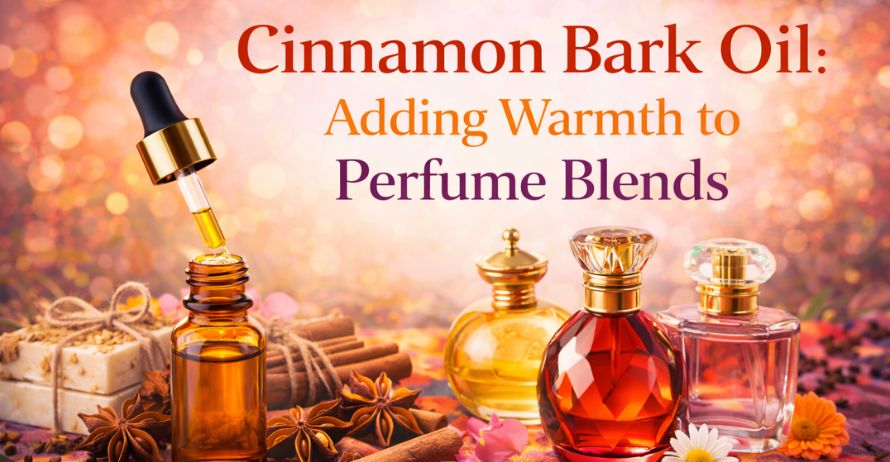
In the world of artisan perfumery, warmth is more than a sensation—it’s an experience. Cinnamon Bark Oil delivers this in every drop, offering a bold, spicy-sweet aroma that naturally elevates fragrances. Revered by natural and boutique brands alike, this botanical treasure brings depth, sophistication, and a cozy allure to perfume compositions. At Avi Naturals, we celebrate Cinnamon Bark Oil for its ability to create complex, inviting scents that linger gracefully on the skin.
The Unique Aroma Profile
Cinnamon Bark Oil is distilled from the inner bark of the cinnamon tree, capturing its rich, warm, and slightly sweet essence. Its spicy character is immediately noticeable, while subtle woody undertones add grounding and longevity. Unlike synthetic cinnamon fragrances, the natural oil delivers authentic warmth, making it ideal as a middle or base note in perfumes.
This aromatic profile allows perfumers to craft compositions that evolve beautifully over time. The top notes provide an initial sparkle, while Cinnamon Bark Oil emerges in the heart and base, enveloping the wearer in a comforting, sophisticated warmth that enhances every scent layer.
How to Blend Cinnamon Bark Oil
The versatility of Cinnamon Bark Oil is unmatched. It harmonizes with a wide range of fragrance families, from florals to woods to spices, allowing perfumers to craft multi-dimensional, memorable scents.
1. Floral Combinations
Cinnamon Bark Oil adds depth and intrigue to floral perfumes:
- Rose: The warmth of cinnamon enriches the romantic, velvety notes of rose, creating a bouquet that is both bold and sophisticated.
- Jasmine: Its spicy undertones complement jasmine’s exotic aroma, resulting in a sensual, captivating heart note.
- Ylang-Ylang: Cinnamon softens the richness of ylang-ylang, balancing the floral sweetness with subtle warmth.
These combinations allow artisan perfumers to transform traditional florals into luxurious, complex compositions that feel modern yet timeless.
2. Woodsy Blends
Cinnamon Bark Oil pairs beautifully with woods, producing grounded, long-lasting scents:
- Sandalwood: Creamy, soft woods blend seamlessly with cinnamon’s spice, adding elegance to unisex or evening perfumes.
- Cedarwood: Cinnamon enhances cedar’s dry, aromatic notes, creating a rich, layered base.
- Patchouli: The warmth of cinnamon balances patchouli’s earthiness, resulting in a bold, sophisticated scent profile.
Wood and spice combinations are perfect for premium natural perfumes that linger and develop complexity over time.
3. Citrus & Fresh Notes
When combined with citrus, Cinnamon Bark Oil introduces a warm undertone to bright, energetic fragrances:
- Bergamot: Adds a fresh, uplifting top note that balances cinnamon’s richness.
- Orange or Grapefruit: Introduces sparkling brightness that evolves into the warm middle notes of cinnamon.
- Lemon or Lime: Creates a refreshing yet cozy experience, ideal for daytime or seasonal perfumes.
This blend strategy makes perfumes vibrant yet grounded, appealing to consumers who enjoy natural, multi-layered scents.
4. Resins & Exotic Spices
For oriental-inspired blends, Cinnamon Bark Oil shines with resins and spices:
- Clove or Nutmeg: Enhances warmth and depth, creating an inviting and complex aroma.
- Frankincense or Myrrh: Blends with cinnamon to provide a mystical, luxurious base.
- Vanilla: Softens the spice, producing a sweet, comforting finish that resonates with long-lasting appeal.
Such combinations are particularly popular for artisan, seasonal, and high-end niche perfumes, offering layers of sophistication and olfactory intrigue.
Artisan Tips for Perfume Creation
- Use sparingly: Cinnamon Bark Oil is potent; a few drops can transform an entire blend.
- Layer strategically: It works best as a middle or base note, emerging as the fragrance unfolds.
- Balance intensity: Pair with soft florals, woods, or fresh notes to prevent overwhelming the composition.
- Experiment: Artisan blending thrives on creativity—try unusual pairings to craft signature scents.
Why Natural Brands Prefer Cinnamon Bark Oil
Natural perfume brands favor Cinnamon Bark Oil because it delivers:
- Authentic warmth: Unlike synthetic fragrances, it adds richness and complexity naturally.
- Versatility: Compatible with florals, woods, citrus, and resins, enhancing virtually any composition.
- Longevity: Its spicy warmth ensures perfumes evolve gracefully and linger on the skin.
- Sensory appeal: The cozy, inviting aroma creates an emotional connection with users.
Its unique combination of performance and sensory delight makes it a go-to choice for artisan and niche perfumers, enhancing both simple and intricate blends.
Conclusion
Cinnamon Bark Oil is a natural powerhouse for artisan perfume creation. Its warm, spicy-sweet aroma adds depth, complexity, and sophistication to blends, whether paired with florals, woods, citrus, or exotic spices.
At Avi Naturals, we provide pure, ethically sourced Cinnamon Bark Oil, empowering perfumers to craft fragrances that are luxurious, memorable, and inviting. Incorporating this botanical into your perfume line allows you to create scents that linger, delight, and leave a lasting impression, capturing warmth and elegance in every drop.
Frequently Asked Questions (FAQs)
Q1: What is Cinnamon Bark Oil used for in perfumery?
Answer: Cinnamon Bark Oil is used to add depth and richness to perfume and fragrance compositions.
Q2: How is Cinnamon Bark Oil added during perfume creation?
Answer: It is used in very small amounts and blended into perfume bases for balanced formulations.
Q3: What makes Cinnamon Bark Oil useful in fragrance blends?
Answer: It helps enhance complexity and structure in both natural and crafted perfumes.
Q4: Can Cinnamon Bark Oil be used in DIY perfume recipes?
Answer: Yes, it can be included in oil-based or alcohol-based homemade perfumes.
Q5: Which ingredients pair well with Cinnamon Bark Oil?
Answer: It blends well with floral, woody, and citrus-based fragrance ingredients.
Q6: How does Cinnamon Bark Oil influence fragrance composition?
Answer: It adds warmth and character that improves overall fragrance balance.
Q7: Where is Cinnamon Bark Oil commonly used in fragrance products?
Answer: It is used in perfumes, body oils, scented balms, and luxury fragrance blends.