

Ylang Ylang Fragrance Oil
Price range: $6.00 through $223.00
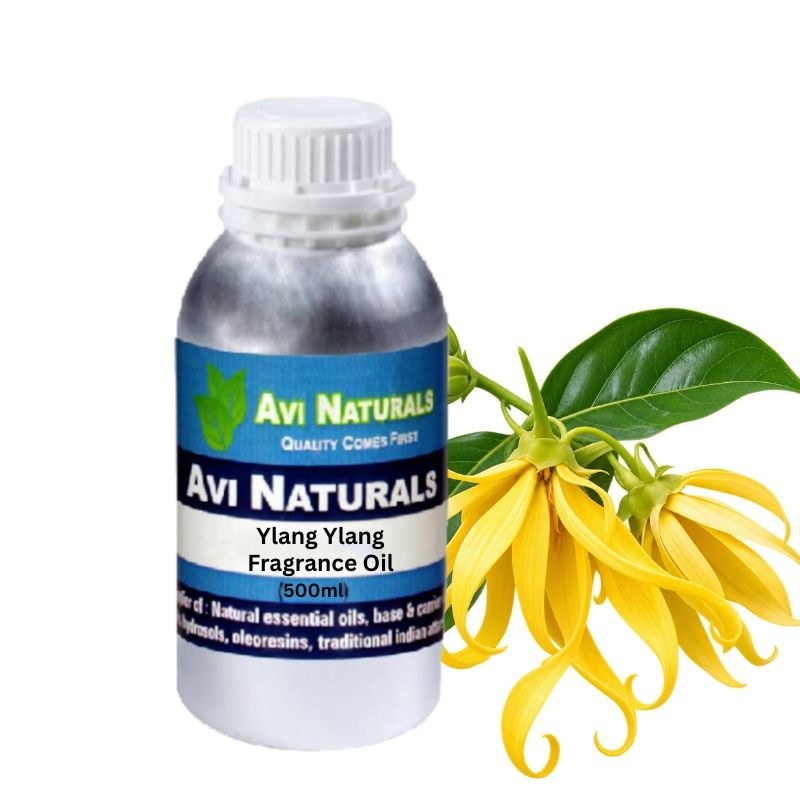
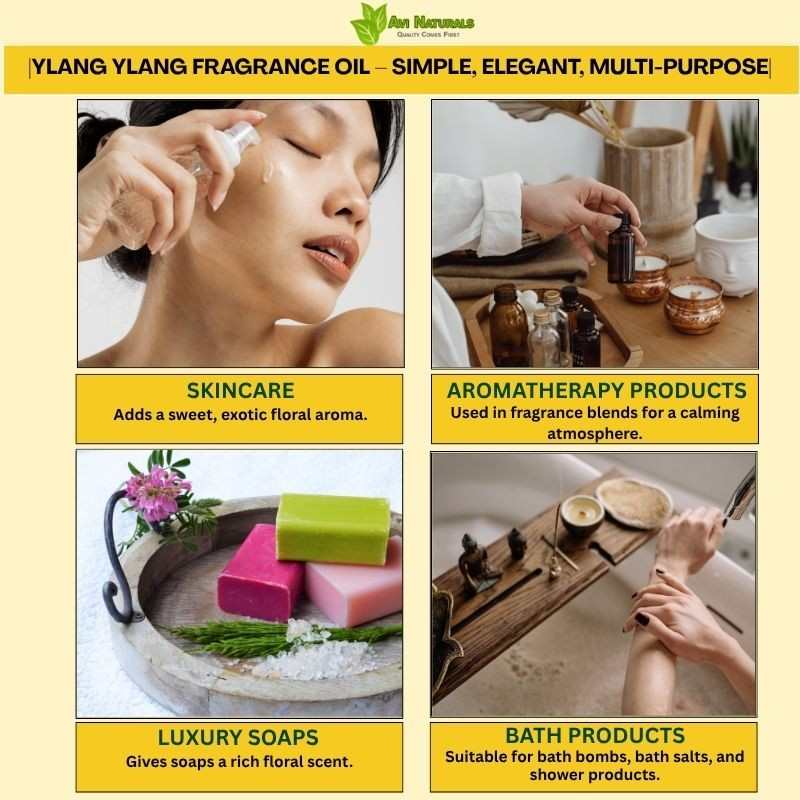
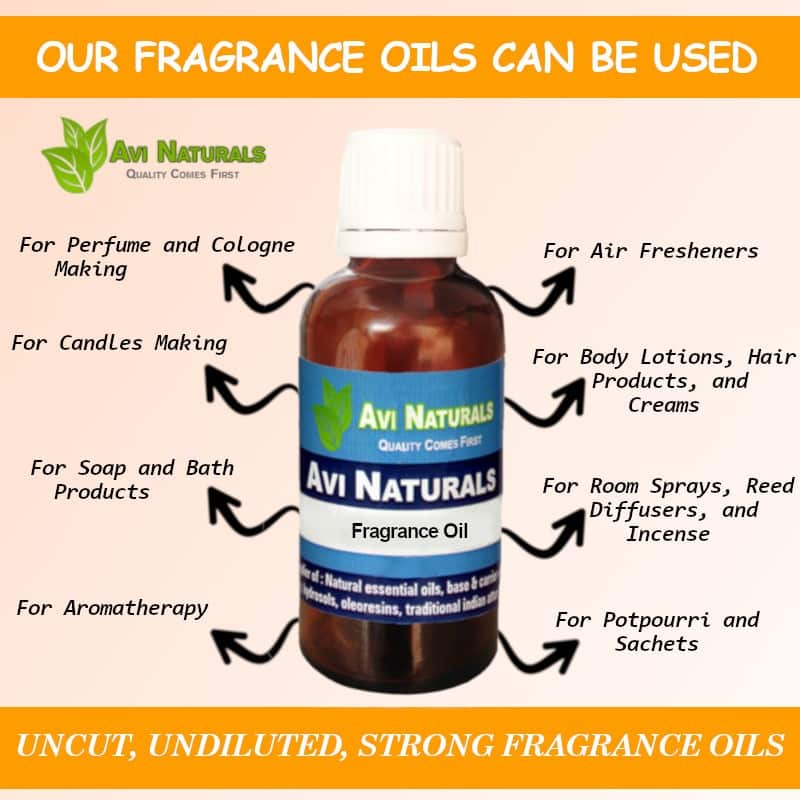
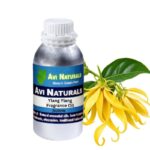
Buy Ylang Ylang Fragrance Oil, 100% Pure at Wholesale Price, suitable for Perfume Making, Cosmetics, Skin Care, Hair Care, Massage Oils, Scented Candles, Soaps, Home Fragrances, Aroma Diffusers & more.
Ylang Ylang Fragrance Oil
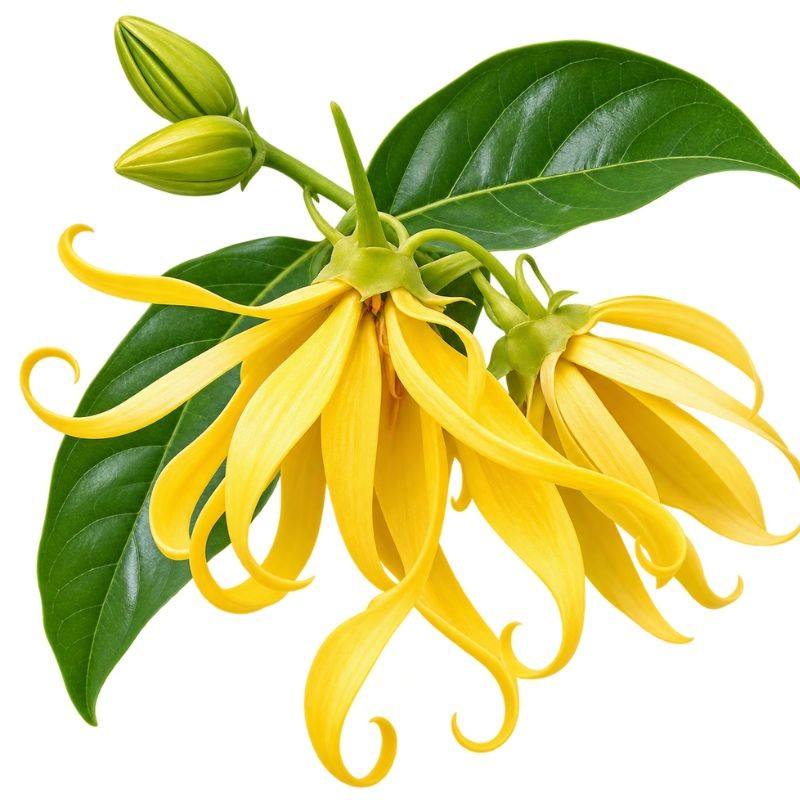
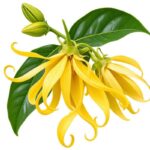
Ylang Ylang Fragrance Oil captures the captivating character of exotic floral blossoms in a rich, sweet, and gracefully warm fragrance profile. Its distinctive floral personality brings an elegant aromatic touch to products designed around beauty, ambience, and sensory appeal. The fragrance offers a refined balance between softness and richness, making it an appealing choice for both modern and luxurious product concepts.
It is suitable for manufacturers, personal care formulators, and fragrance creators looking to develop products with a recognizable floral signature. Ylang Ylang Fragrance Oil is well suited for soaps, body care products, perfumes, candles, diffuser products, and other compatible scented applications. It can also be paired with complementary fragrance profiles to create layered and distinctive aromas. Whether used as the main fragrance or as part of a custom blend, its memorable floral character adds a sophisticated aromatic touch to a wide range of fragrance-focused products.
Common Names
Perfume tree oil, Fragrant cananga, Macassar oil plant, Ilang-ilang, Cananga odorata flower oil, Alang-ilang, Macassar oil tree, Flower of flowers, Crown of the tree.
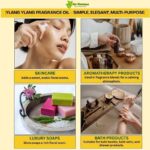
Uses and Benefits of Ylang Ylang Fragrance Oil
1. Exotic Floral Identity: Ylang Ylang Fragrance Oil gives products a distinctive floral signature with an exotic and sophisticated character. Its recognizable aroma can help create a memorable identity for fragrance collections and distinguish them from ordinary floral profiles.
2. Luxury Candle Creations: Its rich floral character makes an excellent choice for candles designed with an elegant and indulgent fragrance theme. It can bring additional personality to decorative candles, gift sets, boutique collections, and specially curated home-fragrance ranges.
3. Expressive Wax Melts: Ylang Ylang Fragrance Oil can add character to wax melts intended to scent indoor spaces. Its warm floral profile provides an interesting alternative to simpler floral fragrances and works especially well in collections featuring sophisticated aromatic themes.
4. Elegant Soap Fragrance: When used in a compatible soap formulation, it provides a graceful floral aroma that can make the finished product more appealing. It is particularly useful for artisan soap collections where fragrance is an important part of the product experience.
5. Refined Bath Fragrance: The sweet floral character can complement appropriately formulated bath products and create an appealing aromatic atmosphere. It can be used to give bath collections a more luxurious and distinctive fragrance direction.
6. Atmospheric Home Scenting: Ylang Ylang Fragrance Oil can bring a warm floral character to compatible home-fragrance products. Its inviting profile makes it useful for developing fragrances intended to complement bedrooms, living areas, studios, boutiques, and other indoor settings.
7. Distinctive Diffuser Blends: Its unusual floral personality makes it an interesting component for diffuser fragrance development. It can provide a recognizable central note or contribute additional richness when combined with other compatible fragrance profiles.
8. Signature Personal Care Fragrance: In applications where the fragrance is approved for use, Ylang Ylang Fragrance Oil can give personal-care products a distinctive aromatic identity. It can help create coordinated collections where several products share the same elegant fragrance theme.
9. Creative Scent Layering: The fragrance offers excellent creative potential for developing layered scent concepts. Blending it with complementary floral, fruity, fresh, woody, or warm profiles can produce more complex fragrance compositions tailored to different product concepts.
10. Distinctive Product Collections: Ylang Ylang Fragrance Oil can serve as a recognizable fragrance theme across coordinated product ranges. Using its characteristic floral profile across compatible applications can help establish a consistent and memorable aromatic identity.
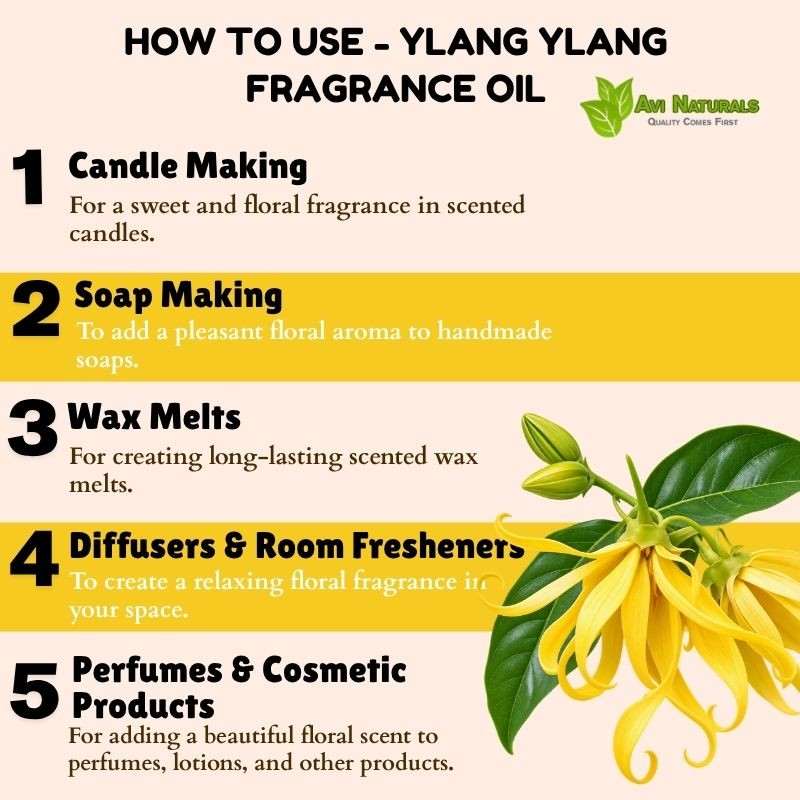
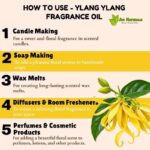
How to Use Ylang Ylang Fragrance Oil
1. Scented Candle Formulation: Measure Ylang Ylang Fragrance Oil according to the recommended fragrance load of the selected candle wax. Add it at the appropriate stage, mix thoroughly, and pour into the prepared container or mold. Test the finished candle for fragrance performance before production.
2. Wax Melt Development: Blend the fragrance oil into compatible melted wax at the recommended application level. Stir sufficiently for an even distribution before filling molds. Allow the melts to cool and cure properly so the fragrance can develop its intended character.
3. Artisan Soap Creation: Add Ylang Ylang Fragrance Oil to a compatible soap base or formulation within the recommended usage range. Mix evenly before molding or processing. A preliminary test is advisable to assess fragrance behavior and compatibility with the selected soap formulation.
4. Bath Product Blending: For compatible bath products, carefully measure the fragrance according to the supplier’s application guidance. Incorporate it during the appropriate formulation stage and blend uniformly to create a consistent aromatic profile throughout the finished product.
5. Room Fragrance Formulation: Combine Ylang Ylang Fragrance Oil with a compatible room-fragrance base at the recommended concentration. Mix thoroughly and allow the formulation to settle before assessing the final aroma, appearance, and stability.
6. Diffuser Product Preparation: Use the fragrance with a diffuser base specifically compatible with the intended product. Follow the recommended concentration and blend thoroughly. Test the finished mixture for diffusion quality, stability, and overall scent performance before larger-scale preparation.
7. Custom Fragrance Composition: Use Ylang Ylang Fragrance Oil as a central or supporting note in custom fragrance development. Prepare small trials with complementary floral, fresh, fruity, woody, or warm fragrances, adjusting the ratios gradually until the desired aromatic balance is achieved.
8. Personal Care Scenting: Where approved for the intended application, add the fragrance during the appropriate stage of personal-care formulation. Use the supplier’s recommended concentration and mix thoroughly for an even fragrance profile. Conduct compatibility and stability testing before production.
9. Fragrance Sachet Application: Apply an appropriate quantity of Ylang Ylang Fragrance Oil to a compatible absorbent material when creating scented sachets. Allow the fragrance to distribute properly before packaging. Test the material first to assess scent retention and compatibility.
10. Coordinated Product Development: Use Ylang Ylang Fragrance Oil across compatible products to create a unified fragrance collection. Test each application independently because fragrance performance can vary between different bases. Finalize the concentration separately for each product according to its specific formulation requirements.
Frequently Asked Questions
Q1. What type of fragrance profile does Ylang Ylang Fragrance Oil offer?
Answer: It offers a rich, sweet, exotic, and distinctly floral fragrance profile.
Q2. What makes Ylang Ylang Fragrance Oil distinctive in fragrance formulations?
Answer: Its exotic floral character adds an elegant and sophisticated identity to scented formulations.
Q3. Is Ylang Ylang Fragrance Oil suitable for floral fragrance concepts?
Answer: Yes, it works well in floral, exotic, and sophisticated fragrance concepts.
Q4. Can Ylang Ylang Fragrance Oil be blended with other fragrance notes?
Answer: Yes, it blends well with floral, sweet, citrus, and woody fragrance notes.
Q5. Can it be used in perfume and fine fragrance products?
Answer: Yes, it can be incorporated into perfumes, fine fragrances, and other scented products.
Q6. Can it add a luxurious floral character to products?
Answer: Yes, its distinctive floral profile works well in premium and luxury fragrance concepts.
Q7. Is Ylang Ylang Fragrance Oil suitable for custom fragrance development?
Answer: Yes, it can be incorporated into custom fragrance blends and product development projects.
Q8. Can it be used in scented candle and wax formulations?
Answer: Yes, it can be incorporated into suitable scented candle and wax-based formulations.
Q9. Is Ylang Ylang Fragrance Oil suitable for personal care products?
Answer: Yes, it can add a pleasant floral aroma to various personal care formulations.
Q10. Can it be used in body care formulations?
Answer: Yes, it can be used in body lotions, body creams, body oils, and similar products.
Q11. Is it suitable for soap-making formulations?
Answer: Yes, it can be used in handmade and commercial soap formulations.
Q12. Can Ylang Ylang Fragrance Oil be used in hair care products?
Answer: Yes, it can be incorporated into scented shampoos, conditioners, hair oils, and hair care formulations.
Q13. Is it suitable for body wash and cleansing products?
Answer: Yes, it can add a pleasant floral fragrance to body wash and cleansing formulations.
Q14. Can Ylang Ylang Fragrance Oil be used in bath and spa products?
Answer: Yes, it is suitable for bath products and spa-inspired scented formulations.
Q15. Is it suitable for home fragrance products?
Answer: Yes, it can be used in room sprays, home fragrance products, and other scented applications.
Q16. Can it be used in premium personal care product ranges?
Answer: Yes, its exotic floral profile is well suited to premium and luxury personal care concepts.
| Weight | N/A |
|---|---|
| Country of Origin: | |
| Solubility | |
| Flash Point | |
| Color & Odor : |
You must be logged in to post a review.

Reviews
There are no reviews yet.